
Contact Zero Suicide Manifesto calls for civic leadership investment and courageous suicide prevention championship, promoting lived experience voices of hope and recovery. This ask got me thinking, how do I feel about sharing lived experience, the ‘me too’ position?
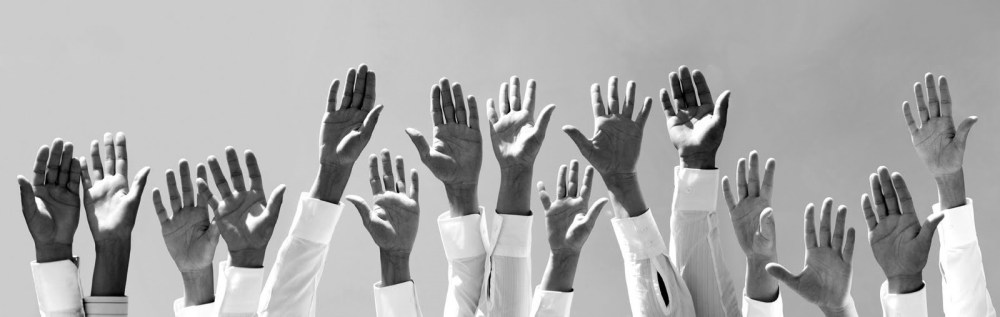
Deciding to speak about a troubling personal experience shouldn’t be taken lightly. It’s important to take time to gain perspective from difficult experience. Always consider sharing with a loved one first on the potential impact for family and friends of public speaking, thinking through career and relationship ramifications, digital footprint etc. Despite my ‘health warnings’, benefits from sharing lived experience include prejudice reduction, normalising challenging life struggles, opening the door on previously taboo conversation, reducing isolation and upping social connection.
From professional…
I am not a peer support worker or service user advocate, a role by definition where the person shares distressing experiences and mental health service use to inspire, model, support and inform others in similar situations. I am one of many working in health and social care with hidden experience of suicide bereavement. Increasingly I am aware of how the experience and my silence inevitably affect my work. With my particular early life experience, choosing to work in suicide prevention is no mystery.
A common response when I tell people what I do is ‘I don’t know how you do that’. The inference, ‘why would you do that??’
To personal…
Suicide first visited my life twenty years ago. Three close friends took their own lives within the space of two years – all young men. I so desperately needed to know how to prevent another death. I needed the answer to the ‘why?’ question that tortured me and all suicide bereavement survivors.
Reflecting on twenty years since my peer group trauma what’s apparent from the immediate weeks and months following suicide loss is that I didn’t succumb to the myths. I didn’t think ‘they were selfish’…‘there’s nothing I could have done’…‘they decided – I have to respect their choice’. My concern was they couldn’t see a way out from whatever trouble they faced. They most likely lost hope and couldn’t imagine the impact their death would have on those who loved them. I didn’t believe that nothing could have helped. I simply didn’t yet know what I might have done to help. I didn’t know what to look for, or what to say if someone close to me was thinking of suicide. I was eighteen years old.
Suicide bereavement left me struggling with, how do I stop my friends taking their own lives?
So many urgent questions. As a young woman I didn’t have the answers. I didn’t know who to ask. My social circle grieving painful loss in their own way.
- What could be so terrible to drive three lively, funny, smart young men to end their lives?
- Why didn’t they talk to me about how they were feeling?
- Did they not know I cared?
- Were they thinking straight at the time?
- How could they do this to me?
- How would I know if another friend was thinking about suicide?
- What would I even say to them, even if I noticed?
- If I noticed, what could I do that would help?
 I had no idea how to confront these burning themes. I know now my list of endless questions contributed to my growing sense of despair. Unaware as I was back then, that suicide loss heightens risk for suicide among bereaved friends, loved ones and colleagues.
The burden of not knowing how to help my friends, coupled with my own silent withdrawal from personal trauma contributed to hopeless, suicidal thoughts and a plan to end my life.
Looking back, my most valuable insight from that time, the burden of overwhelming shame I felt for not coping, was more troubling than thoughts of harming myself. Had Lifeline (Northern Ireland’s 24/7 crisis counselling service – 0808 808 8000) which I now co-lead, been available at the time…I doubt I’d have had the courage to reach for support. Despite some awareness of support services available then, the ‘not coping’ shame thing prevented me from speaking to anyone. This common experience ensures I often ask ‘Are you ok? Is there anything I can do to help?’ and sticking around for the answer. Next step?…actively linking the person in crisis with the right supports at the right time. Never placing the onus on the person in crisis to cross the bridge to professional support unaided, alone.
I look back with admiration for my GP. Having not been near the surgery since routine childhood vaccinations, I was out-of-the-blue attending frequently for a range of minor physical health complaints. Expressing an interest in my emotional wellbeing, my Doc asked ‘have you been thinking about suicide?’ His direct question opened the door. I was swiftly referred to mental health services.
Rather than asking ‘what happened you?’ an enquiry as to what led me to feeling so bad, I was told what was wrong with me…depression. Rightly or wrongly I sensed my traumatic experience and overwhelming suicide thoughts were too much for the mental health clinician. The ‘S’ word was never mentioned. I was treatment compliant (medication reviews). From this experience I was put off further help seeking, convinced this was something I had to figure out on my own. My sense of isolation accentuated, my recovery further delayed.
Integrated experience…
What I now know is that I was at high risk of suicide. All four key risk factors were present: social isolation, perceived burdensomeness, acquired capacity and access to lethal means. When I reflect on what stopped my potentially fatal acting out suicide plans during my ambivalent struggle between wanting the pain to end and my fear – no terror – of death. I tried to imagine how my loved ones would react to my suicide. In a moment of clarity, after many months of sleep deprivation and endless distressing rumination, I  realised that rather than being better off without me, I would be passing the burden on to them. I made (a silent) promise that I wouldn’t act on my thoughts unless I could find the courage to confide in no less than three family members/friends. I never did find that courage to speak to my family, until now. The commitment made to myself placed an obstacle in my way and instantly removed a key risk factor – perceived burdensomeness…I decided they would not be better off without me. My life held value again and I had found a reason to live.
Was I an early spontaneous adopter of collaborative safety planning? I think so! Safety planning is the current best practice standard (recognising warning signs/triggers, identifying support networks and when/how to activate them) recognised as a critical de-escalation and stabilisation safety management measure.
While I found a reason to live and in time made a full recovery, I had what I can only describe as dreadful survivor guilt. Why had I recovered yet my friends ended their lives? This reawakened my motivation to more fully understand suicide and search for how to prevent it. I enrolled for counselling training, an effort to know more, not a career plan. I qualified as a counsellor, completing two separate university diplomas across two modalities. However I received no professional training whatsoever on how to assess and manage suicide risk. Although twenty years on the clinical research literature has improved lots, suicide prevention clinician training within health and social care is not the mandatory gold standard. This gap has resulted in health and social care workforce preparedness survey’s consistently finding that almost half mental health practitioners do not feel confident or competent to work with a suicidal person.
What next?
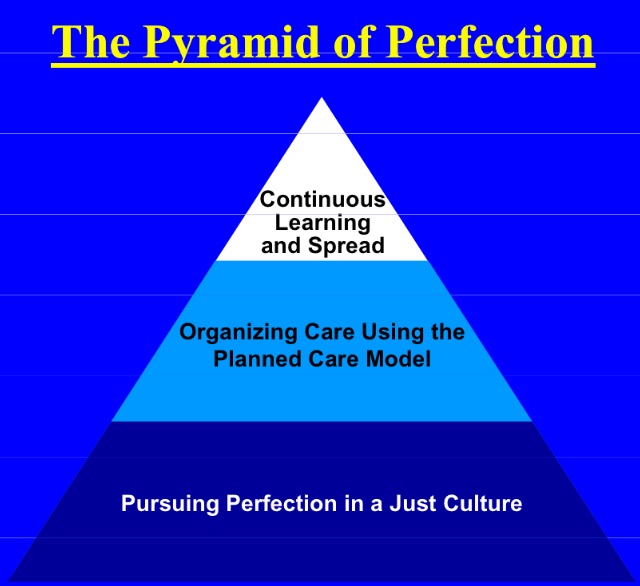
At times I can be privately despondent with the pace of progress…continuing gaps in mandated suicide risk assessment and management training, pervailing suicide myths such as asking someone directly if they are contemplating suicide may put ideas in their head. My occasional gloom is far outweighed by motivation stumulus from the growing community of system leaders, researchers, clinicians and people with lived experienced choosing to champion suicide prevention messages of hope and recovery. The overwhelming evidence now says clearly that suicide is a preventable harm. By speaking truth to power, breaking down barriers to help seeking and challenging discrimination, I firmly believe we are getting ever closer to the perfect crisis care standard, ensuring that not one person in our care should die alone, in despair by suicide.
Raise your hopeful voice…you have a choice
~Glen Hansard~
Interested to hear of your thoughts and experiences on reflection!
If you are affected by these issues, check out some of the resources list referenced in my blog post here







 Carrie Montgomery