After attending American Association of Suicidology (AAS) conference last month with the theme ‘get connected’, my curiosity was ignited about the endless possibilities social media can play in suicide prevention.
Hesitant beginnings…
The extent of my social media experience on Twitter kicked off with a year ‘lurking’,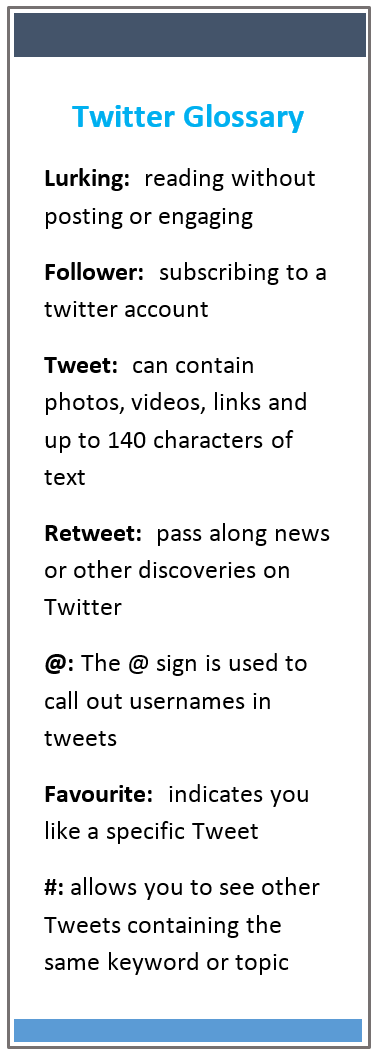 followed by months of sporadic ‘retweeting’. Six months ago I agreed to represent Contact social media presence at our annual International Suicide Prevention, What Works? conference by live conference tweeting – no pressure!!
Not only was I sending out speaker soundbites from the official corporate @ContactNI page while concurrently composing my own @CarrieMo_gomery tweets and reading / retweeting what came through on the conference hashtag #ContactWhatWorks15, also conscious our hashtag takes up a precious 18 / 140 character limit, multi-tasking on four devices, two smartphones to separate out the corporate V personal photos coupled with two separate tablets to maintain the two Twitter accounts. All resulted in me holding the home button on my phone a millisecond too long so that during our service commissioner of all peoples presentation in the magnificent Titanic Centre, Belfast that Siri shouted out ‘I’m not sure I understand what you are saying’ to the not quite contained laughter of the A/V team. Agghhhh!!!!
Suicide Prevention Social Media
After addressing the elephant in the room over the potential risks of social media in suicide prevention – with research finding benefits outweigh risks… at AAS 2015 I was introduced by the fabulous #SPSM (Suicide Prevention Social Media) team to:
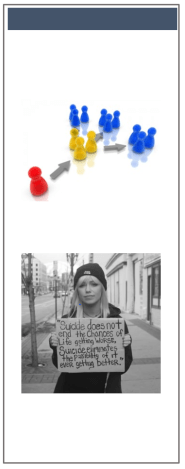 Retweet and mention reach – #SPSM reaching a staggering 11 million individuals over a 12 month period, raising awareness on suicide prevention
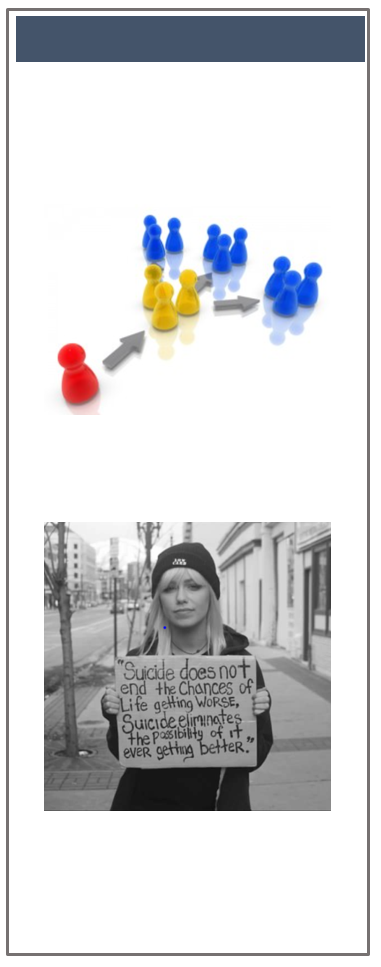
- Memes or ideas spread through images typically humorous – ‘an image can say much more than the twitter 140 character limit and increases retweet potential by 35%‘
- Storify – creating stories by importing content from timelines e.g. compiling all tweets shared about specific conference keynote speakers which can then be used as conference notes
And of course Twitter Chats…..
It was no surprise following their compelling and energetic workshop that #SPSM founders, Dr April Foreman and Tony Wood, were presented with the AAS conference Roger Tierney Award.
Twitter Chats… creating community?
Keen to learn more, and no better time to start than during Mental Health Awareness Month… this week I engaged in twitter chats for the first time.
I sat down on Sunday evening with a view to simply lurking on #BPDChat, a weekly chat, this week focusing on ‘Reasons for living: Building a life worth living’ moderated by Carl Dunn. Tea in hand I began to read the posts. I was

very encouraged by the positive message of hope but felt somewhat voyeuristic about reading without engaging. Prompted by a tweet that said professionals welcome, I nervously took my first step towards tweet chatting and outed myself with ‘Listening in (lurking) from Belfast, Ireland…. Great to read the messages of #hope and recovery’. Ok…. breath – I did it!!
I was not anticipating the immediate welcoming responses and felt, dare I say… connected!
With this positive experience behind me… another evening, another twitter chat. Monday evening, I sat down looking forward to #MHTalk moderated by PCORI focusing on ‘how patient & clinician involvement is making a difference in mental health research’. Expecting a similar experience and determined to engage more fully, sat down ready to chat….
What the…?!?!?!? Was I ever glad PCORI had issued a pre-chat tweet encouraging those joining to use a tool like TweetChat.com or Twubs.com to follow the conversation real-time. This was fast paced and I was only just getting time to read the question and consider a response when the tweets started to flood in. Fifteen minutes in and I spotted a tweet announcing ‘Awesome #MHTalk is trending on Twitter!’… boy did I know it! I finally acclimatised by the seventh question and with relief managed to get involved in what was a dynamic and interesting conversation that otherwise would not have been available to me. This time left with a sense of… belonging.
Ok… now more familiar with the format of Twitter chats and this time prepared with my Twubs.com tool and multiple devices– just in case, on Wednesday evening I joined #SuicideChat (moderated by AFSP National with Ursula Whiteside on online suicide prevention). This should be interesting… I heard Ursula speak at AAS on Zero Suicide within healthcare systems, providing her unique lived experience / clinician-researcher perspective.
I was able to keep up this time but felt somewhat shy about giving my opinions on the topic among the online suicide prevention national US ‘experts’. I settled myself and give my contribution to the final two questions. My incoming alerts were making music… my tweets received no less than thirty favourites and new followers. What was going on… what I had said that was notable?! This time I felt in some way validated on the contribution I could make to suicide prevention social media.
Impact of reaching out…. reach, new followers, lists
Over the past few weeks taking the risk to experiment via social media… I have most definitely felt connected:
- Reaching >425k in the month I attended AAS discussing the contribution to suicide prevention made by researchers, clinicians, social activists and those with lived / personal
 experience.
 - Reaching >210k (so far) during Mental Health Awareness Month
- Being added to lists such as suicide prevention, mental health advocates, medical-online and leadership.
- Making a connection with a fellow traveller on a lazy Saturday morning that progressed into a tele-meeting by Monday.
- Quadrupling my number of followers still quite modest and doubling the number of people I follow as keen to hear more about what they say and the resources they share.
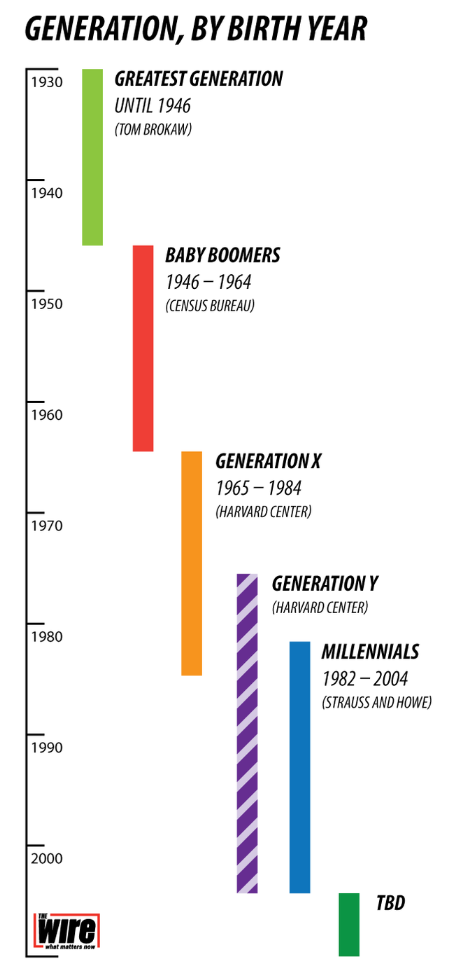
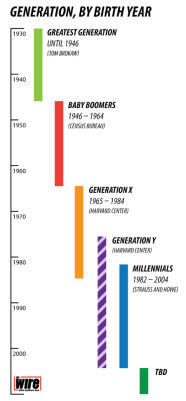
I have concluded that embracing the potential of social media as a vehicle to connect suicide prevention communities and raise awareness on the support available has left me confident, sitting on the boundary between Gen X and Gen Y, that I hold the ‘technology wise’ traits of generation Y.
Interested to hear your experiences and thoughts…
If you are affected by any of these issues, check out my resources post here that includes detailed support services and guidelines for talking about social media online
 Carrie Montgomery